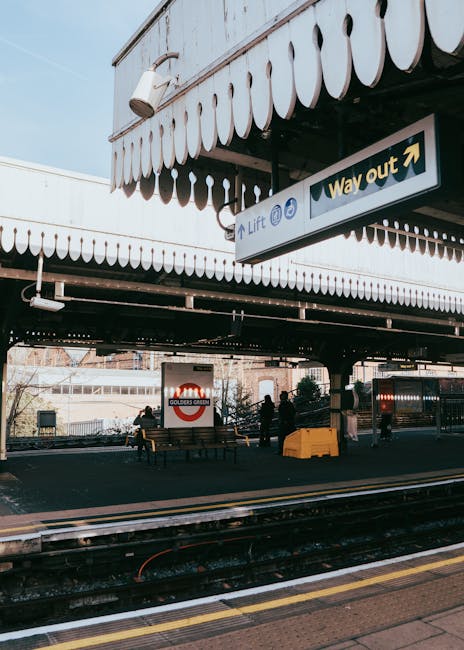
Mortlake removals guide Mortlake Station moving tips

Moving in Mortlake can feel straightforward on paper, then suddenly the reality hits: narrow streets, parking worries, the school run, and the tiny detail of trying to move near Mortlake Station without turning the day into chaos. This Mortlake removals guide Mortlake Station moving tips is here to make the whole thing calmer, clearer, and far more practical. If you are planning a home move, downsizing, or just trying to get boxes out without blocking half the road, the right preparation makes a real difference. Truth be told, a good move in this part of southwest London is less about brute force and more about timing, access, and sensible decisions.
Below, you will find local moving advice, step-by-step planning, common mistakes to avoid, and a few grounded tips that actually help on moving day. If you are comparing service options, it can also help to look at removals, home moves, and man and van support depending on the size of your move. Let's get into the useful stuff.
Why Mortlake removals guide Mortlake Station moving tips Matters
Mortlake is a lovely place to live, but moving here can be a bit fiddly. Near the station, you are dealing with commuter traffic, limited kerb space, and the natural squeeze that comes with London streets. A move that looks simple on a spreadsheet can become stressful if the van cannot stop where you expected, or if your sofa has to be carried further than planned. You feel that extra distance in your shoulders very quickly.
This is why local moving guidance matters. A general moving checklist is useful, sure, but it will not tell you how to think about station-adjacent access, timing around rail commuter peaks, or the practical differences between a compact vehicle and a larger truck. In Mortlake, those details can decide whether your move feels smooth or slightly messy.
There is also the trust factor. When you are handing over belongings, family furniture, office kit, or even a single awkward wardrobe, you want a mover who understands the area and works in an organised way. That is where local knowledge and proper preparation earn their keep. If you want a broader sense of the kind of support available, you may also find removal services and house movers helpful to explore.
Expert summary: The biggest advantage of a local Mortlake move is not speed alone. It is reducing friction: better parking planning, better packing order, better timing, and fewer last-minute surprises at the curb.
How Mortlake removals guide Mortlake Station moving tips Works
The process is best thought of as three linked stages: before moving day, moving day itself, and the first hour after arrival. If any one of those stages is weak, the whole move feels heavier than it should.
1. Before moving day
This is where you identify access issues, confirm the move date, decide which items need special handling, and sort out parking logistics. In Mortlake, that means thinking about the route to your property, whether the van can pause safely, and whether stairs, tight hallways, or awkward frontage will slow things down.
2. On moving day
The team arrives, checks the load order, protects furniture, and starts moving boxes in a sequence that makes sense. Good movers will usually begin with the heaviest and most fragile items that need the most care, then work through the rest in a steady rhythm. It should feel controlled, not frantic. A little noise, a lot of purpose.
3. After arrival
Items are placed into the right rooms, essentials are separated, and any packing materials are dealt with sensibly. If you have chosen packing and unpacking services, this stage becomes much easier because the move does not end in a mountain of cardboard and tape. To be fair, that mountain is the part many people dread most.
The practical truth is that Mortlake Station moving tips are mostly about reducing wasted movement. Every extra trip to and from the vehicle takes time. Every poorly labelled box creates confusion. Every parking guess adds risk. Good planning trims all three.
Key Benefits and Practical Advantages
There are clear advantages to planning a Mortlake move with station access in mind. Some are obvious, others show up only once the day begins.
- Less wasted time: If the vehicle can park sensibly and the route is mapped out, the team spends less time shuttling items.
- Lower stress: You are not improvising around a blocked path, an unexpected lift issue, or a box that was packed in the wrong room.
- Better protection for belongings: Moving items in a clear order reduces the chance of knocks and scrapes.
- Cleaner handover: A tidy loading plan makes it easier to leave the old property in decent shape.
- More predictable costs: Better preparation often means fewer delays, which can help keep the move efficient. For cost planning, a look at pricing and quotes is sensible before you commit.
There is also a calmer emotional benefit, which people sometimes overlook. Moving is one of those life admin jobs that eats attention. When the logistics are under control, you can actually think about the new place, where the kettle is going, and whether the sofa really does fit that corner after all. Small win, but a real one.
Who This Is For and When It Makes Sense
This guide is useful if you are:
- moving into or out of a flat or house near Mortlake Station
- downsizing and need a careful, organised move
- relocating a family home with a lot of mixed items
- booking a smaller vehicle and need to make every load count
- trying to move around work hours, childcare, or school schedules
- looking for an experienced removal company rather than trying to do everything yourself
It also makes sense if you are moving only a few streets away. People assume short moves are easy. Sometimes they are. Sometimes they are the most awkward of all because you end up underestimating the planning. I have seen people treat a one-bedroom move like a glorified car boot run, then realise they have a sofa, mattress, wardrobe, and a hundred little bits that do not play nicely together.
If your move includes business stock, archived files, or workstations, then a commercial angle comes into play too. In that case, commercial moves or office removals may be a better fit than a standard domestic service.
Step-by-Step Guidance
- Confirm the moving date early. Try to choose a day and time that reduces commuter pressure if you can. Around station areas, mornings can be busy and parking can be tight. Earlier planning gives you more room to work with.
- Survey access at both properties. Check stairs, lifts, hallway width, front door clearance, and the route from the door to the road. If there is an awkward bend or a narrow shared entrance, measure it. Do not guess. Guessing is where moving days get silly.
- Make a parking plan. Decide where the vehicle is most likely to stop and how items will be carried to it. If you need a smaller vehicle because access is limited, a moving van or removal van can be easier than a larger truck.
- Sort and declutter first. If you are not taking it, recycle it, donate it, or arrange disposal before the move. Fewer items means fewer boxes, fewer trips, and less pressure on the day. If you have bulky items to clear, furniture pick-up can be useful.
- Pack by room and priority. Use one label style and keep it consistent. Mark essential items clearly. Put things you need first at the new place in a separate group. Think kettle, toiletries, charging cables, bedding. The boring little things, basically the ones you will desperately want at 9 pm.
- Protect fragile items properly. Use enough padding, not just a hopeful layer of newspaper. Glass, lamps, mirrors, and screens deserve extra care. For extra help, man and van removals can be a practical option for smaller, carefully managed loads.
- Prepare a clear load order. Put heavy, sturdy items in first if the vehicle layout calls for it, then stack lighter and more fragile items in a logical way. Good loading is a craft, not a guessing game.
- Keep essentials with you. Important documents, keys, medication, chargers, and valuables should stay in your personal bag, not disappear into a sealed box labelled "miscellaneous". That box is a trap.
- Check the new property before unloading. Make sure rooms are accessible, the route inside is clear, and you know where the main furniture should go. It saves a lot of stop-start carrying.
- Finish with a quick room-by-room review. Before the team leaves, check the obvious places: under stairs, behind doors, in cupboards, and on window sills. People leave things there all the time, oddly enough.
Expert Tips for Better Results
A few practical details can make a bigger difference than you might expect.
Use labels that actually help
Write the room and a short contents note. "Kitchen - plates and glassware" is useful. "Kitchen stuff" is not, really. When everyone is tired, clarity wins.
Pack a first-night bag
This should include the basics for one evening and one morning: toiletries, clothes, chargers, snacks, medication, a towel, and bedding if needed. It sounds obvious, then somehow people still end up searching for toothpaste at midnight.
Think in terms of carrying distance
If the van cannot stop right outside, every item has to travel further. That extra distance adds up quickly. In Mortlake, station traffic and shared access routes can turn a short move into a surprisingly long carry, so plan with that in mind.
Book the right size of vehicle
Smaller is not always cheaper if it means multiple trips. Larger is not always better if parking or access becomes impossible. Match the vehicle to the access, not just the volume of belongings.
Ask about protection and handling
If you are choosing a professional provider, ask how furniture is wrapped, how floors are protected, and how delicate items are carried. A good operator should answer plainly and without fuss. If you want a stronger sense of service standards, house removals and house removalists pages can help you compare what is offered.
One small but useful habit: keep one person responsible for decisions on the day. Not bossy, just clear. Too many voices at the front door slows everything down.
Common Mistakes to Avoid
- Leaving parking to chance. This is one of the biggest causes of delay. Near station areas, chance is not a strategy.
- Overfilling boxes. Heavy boxes become awkward, unsafe, and more likely to split. Books are the classic offender here.
- Mixing room contents. If kitchen and bedroom items are thrown together, unpacking becomes messy fast.
- Ignoring access details. Shared entrances, steps, low gates, and tight turns should all be factored in early.
- Forgetting insurance and liability questions. You should understand what is covered and what is not. A look at insurance and safety is a sensible part of due diligence.
- Not reading terms properly. This matters for cancellations, timings, payment terms, and service limits. The details live in terms and conditions.
To be fair, most mistakes are not dramatic. They are small things stacked together: one weak label, one missed measurement, one bad parking assumption. Then the whole day feels harder than it needs to. Avoiding those little traps is half the job.
Tools, Resources and Recommendations
You do not need a warehouse full of equipment to move well, but a few simple tools make life easier.
- Strong boxes: Use decent-quality boxes in a sensible range of sizes. Huge boxes are tempting and often regret-inducing.
- Packing tape and markers: Plain, reliable, and far more useful than fancy packaging gadgets.
- Furniture covers: Good for protecting upholstery, especially if the weather turns damp. London rain has a habit of arriving uninvited.
- Labels or colour tags: Helpful when several people are involved in the move.
- Basic measuring tape: Essential for checking doorframes, lifts, and awkward corners.
- Spare bags or tubs: Perfect for loose hardware, cables, and the random bits that otherwise vanish.
For people who prefer professional help, compare the moving style to the size of your job. A light move with a few items may suit man with van support, while a bigger family move might call for something broader, such as removals van options or a larger moving truck.
If you are trying to clear surplus furniture before or after the move, recycling and sustainability is worth considering so you can dispose of items responsibly rather than just shifting clutter from one address to another.
Law, Compliance, Standards, or Best Practice
For most domestic moves, the main concern is not complex legal paperwork, but rather sensible compliance and safe working practice. That said, a few areas deserve attention.
Parking and access: In London, parking restrictions and loading rules can affect how a move is carried out. You should not assume you can stop anywhere just because it is convenient. Always plan with the street layout in mind.
Health and safety: Safe lifting, stable stacking, and clear walkways matter more than people sometimes admit. A professional move should reduce manual handling risk, not increase it. If you want to understand the approach behind that, health and safety policy information is relevant.
Insurance and accountability: Ask what the mover covers, how claims are handled, and whether the service suits your property and item types. It is far better to ask before the sofa is halfway down the stairs.
Consumer clarity: Good practice means being clear about what is included, when the service starts, when it ends, and how payment works. If a company has a transparent approach to payment and security, that usually tells you something useful about how they operate.
There are also broader standards of professionalism worth noting: punctuality, respectful handling, honest communication, and reasonable flexibility when the day throws a curveball. That last one matters more than people think. Moves rarely go 100% to plan. They just need to stay well managed.
Options, Methods, or Comparison Table
Different moving approaches suit different situations. The right choice depends on volume, access, and how much help you want on the day.
| Option | Best for | Pros | Watch-outs |
|---|---|---|---|
| DIY move | Very small loads, short distances, low-risk items | Flexible and budget-friendly | More lifting, more trips, more chance of stress |
| Man and van | Small flats, partial moves, single-room moves | Compact, practical, often easier near tight access points | May not suit large furniture or high volumes |
| Full removal service | Family homes, bigger loads, delicate or mixed items | More support, better coordination, less heavy lifting for you | Needs more planning and usually a bigger budget |
| Truck-based move | Large-volume relocations or loads with many boxes | Efficient for bigger jobs | Parking and access become more important |
There is no perfect option for everyone. A lot depends on the shape of the property, the route outside, and whether you want someone to do the awkward lifting while you focus on the new place.
Case Study or Real-World Example
Imagine a couple moving from a second-floor flat near Mortlake Station into a terraced house a few streets away. On paper, it sounds easy. Same area, short distance, done by lunchtime perhaps. But the flat has a narrow stairwell, the parking outside is tight, and the new house has a front path with a little turn that makes a wardrobe awkward to carry.
What makes the difference?
First, they pre-packed by room and put the essentials in one clearly marked bag. That saved them from opening six boxes just to find a phone charger. Second, they checked where the van could stop at both ends. That reduced carrying distance and avoided a last-minute shuffle. Third, they chose a vehicle that fit the access rather than just the load estimate. Not glamorous, but wise.
By the time the last box was off the van, the move still felt like a proper day's work, but it was manageable. No one was chasing lost kettle parts. No one was dragging a mattress through the wrong doorway. The small details did their job quietly, which is exactly what good moving prep should do.
Practical Checklist
- Confirm your moving date and time
- Check street access near both properties
- Plan parking and loading space
- Measure doorways, halls, stairs, and lifts
- Declutter before packing begins
- Label boxes clearly by room
- Separate fragile and essential items
- Prepare a first-night bag
- Check insurance, terms, and safety information
- Decide whether you need a van, truck, or full team
- Keep keys, documents, and valuables with you
- Walk through the property before and after unloading
If you only do three things, do these: plan parking, label properly, and keep your essentials to hand. That trio prevents a surprising amount of moving-day drama.
Conclusion
A good move near Mortlake Station is built on clear planning, realistic access checks, and the right level of support for the size of the job. The area itself is manageable, but London moving always has a few moving parts, and the station zone adds its own rhythm. If you prepare properly, the day feels less like a scramble and more like a sequence of sensible steps.
So if you are weighing up options, think about volume, parking, stairs, and how much heavy lifting you want to take on yourself. The right decision is usually the one that makes the move calmer, not just the one that looks cheapest at first glance. And honestly, calm is worth a lot on moving day.
If you are ready to plan the next stage, take a look at the relevant service pages, review the practical details, and choose the level of help that suits your move rather than forcing a one-size-fits-all approach.
Get a free quote today and see how much you can save.
Sometimes the best move is the one that quietly removes stress before it even starts.
Frequently Asked Questions
What is the main purpose of a Mortlake removals guide Mortlake Station moving tips article?
It helps you plan a move around local access, parking, packing, and timing so the day goes more smoothly, especially near a busy station area.
Is moving near Mortlake Station more difficult than moving elsewhere?
It can be, mainly because of traffic patterns, parking pressure, and narrower access points. With the right planning, though, it is very manageable.
Should I choose a man and van or a full removals service?
Smaller jobs or partial moves often suit a man and van setup, while larger family homes or more complex moves usually need a fuller service. The best choice depends on access and volume.
How far in advance should I book my move?
As early as possible, especially if you need a specific date or have tricky access. Early booking gives you more choice and reduces last-minute pressure.
What should I pack separately for moving day?
Keep essentials with you: keys, medication, chargers, documents, toiletries, and a first-night bag. Those items should not disappear into the general load.
Do I need to worry about parking near the station?
Yes, you do. Parking and loading space can affect both timing and safety, so it is worth planning that part in detail before the day arrives.
How can I protect fragile items during a move?
Use sturdy boxes, enough padding, clear labelling, and careful stacking. Fragile items should not be mixed with heavy goods if you can avoid it.
What if my new property has narrow stairs or a tight hallway?
Measure the route in advance and tell the mover. That information helps them choose the right vehicle and handling plan, which can save a lot of hassle.
Are packing and unpacking services worth it?
For busy households, larger moves, or anyone short on time, they can be very worthwhile. They reduce the workload and make settling in much faster.
What should I check in the terms and conditions before booking?
Look at timing, payment, cancellations, included services, and any limits on handling or access. It is always better to know these details up front.
Can I reuse old boxes for my Mortlake move?
Yes, if they are still strong enough and not damaged. Just make sure they can hold the weight of what you pack inside. A weak box is a bad surprise.
What is the easiest way to make unpacking less stressful?
Label by room, keep essentials separate, and unpack the kitchen and bedding first. Those two areas make the new place feel liveable very quickly.