Recycling and Sustainability at Mortlake Removals
 Mortlake Removals takes sustainability seriously at every stage of a move. Our approach to recycling and sustainability is built around practical action: reducing waste, reusing materials wherever possible, and keeping recyclable items out of landfill. Whether we are handling a flat move, an office relocation, or a house clearance, our team works with a clear aim to make each job cleaner, leaner, and more responsible. We are focused on setting measurable goals, including a recycling percentage target of 80% for suitable packing materials and move-related waste streams, with ongoing improvements as we expand our reuse and recovery processes.
As a Mortlake removals company operating in a busy part of southwest London, we understand that local waste systems vary from borough to borough. That means good sorting matters. We separate cardboard, plastics, metals, soft plastics, wood, and general waste as early as possible so items can be directed to the correct processing route. In many nearby boroughs, residents and businesses are expected to use specific recycling containers and to keep mixed waste to a minimum; our working methods reflect that same emphasis on waste separation. By mirroring local recycling standards, our Mortlake removal service helps reduce contamination and improves the chance that materials are actually recycled.
We also look closely at the materials we bring to each job. 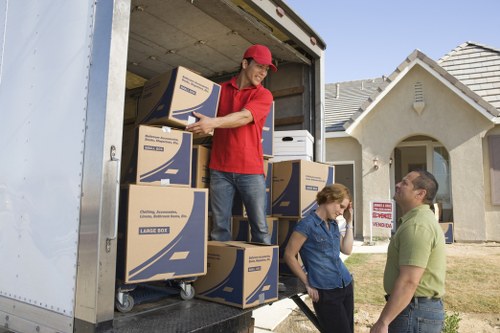 Reused crates, blankets, and recycled packing paper are preferred wherever suitable, and we aim to collect, sort, and channel materials through the right local facilities. This is especially important for items like old packaging, dismantled furniture, and unwanted household goods. In practice, sustainability is not just about the final destination of waste; it starts with careful planning before the van even leaves the depot. Small choices add up, and we make those choices with purpose.
One of the key parts of our environmental strategy is using local transfer stations and reuse routes efficiently. Mortlake Removals works with nearby transfer stations to ensure that segregated materials are processed quickly and responsibly. This reduces unnecessary mileage and supports better sorting of mixed loads. We direct recyclable streams to appropriate facilities for materials such as cardboard, timber, scrap metal, and certain hard plastics, while non-recyclable residual waste is kept to a minimum. Using local transfer stations also helps us stay aligned with borough-level waste systems, where separation and correct disposal are central to sustainable waste management.
Our partnership with charities is another important part of the Mortlake removals sustainability story. Many items that are no longer needed by one customer still have life left in them, so we work to divert usable goods toward charitable reuse before thinking about disposal. Furniture, books, kitchenware, and household items may be suitable for donation depending on condition and current need. These partnerships support community benefit while also reducing the volume of waste created during a move. This approach is especially valuable in a borough environment where reuse, repair, and redistribution can significantly lower pressure on local recycling systems.
 A greener removals operation also depends on the transport we use. Our low-carbon vans are selected to reduce emissions without compromising reliability or capacity. Efficient route planning, reduced idling, and well-maintained vehicles all contribute to a smaller environmental footprint. By using low-emission or low-carbon transport where possible, Mortlake Removals lowers the impact of each journey across the local area and beyond. In a neighbourhood with frequent short trips and dense traffic conditions, efficient movement is a practical way to cut fuel use and support cleaner air.
We also pay close attention to how our team handles special waste types during a move. Items such as old electronics, damaged fittings, and mixed household materials are separated from general refuse so they can be processed in the correct way. While we do not offer hazardous waste services, we do make sure that any recyclable components are treated responsibly and directed to the relevant local channels. In some boroughs, there is a strong focus on separating paper, glass, food waste, and dry mixed recycling, and this borough-style approach influences how we organise loads and manage collections. The result is a more disciplined, more efficient, and more sustainable removals process.
Mortlake Removals sees sustainability as an ongoing commitment rather than a one-time initiative. That is why we review our recycling performance, packing choices, vehicle use, and reuse partnerships regularly. Our goal is not only to achieve our recycling percentage target, but to keep improving beyond it through better operational habits and smarter waste handling. We also encourage a culture of reuse inside the business, from reconditioning transport materials to reducing single-use packaging where possible. These changes may seem modest, but together they create a meaningful reduction in waste across the life of a removal project.
 Beyond recycling, our service model supports a wider circular economy. Instead of treating unwanted belongings as rubbish first, we look for the most responsible next step: reuse, donation, recovery, or recycling. This keeps valuable materials in circulation for longer and helps local communities benefit from items that still have practical use. Mortlake Removals is proud to combine professional removals with an environmentally conscious mindset, offering a service that is both efficient and mindful of the area???s sustainability goals.
 For customers looking for a Mortlake removals team that values environmental responsibility, our approach offers a clear answer. From local transfer stations and charity partnerships to low-carbon vans and careful waste separation, every part of the process is designed to reduce impact. We believe that a modern removal company should do more than move possessions from A to B; it should do so with respect for the environment, the local borough systems, and the communities we serve. That is the standard we work to on every move.